Eternal Sunshine Of The Logical Mind
Tuesday, 18 June 2013
Sunday, 16 June 2013
Hot Docs 2013 - Wrapping Up The Rest (Belatedly)
This year's Hot Docs Film Festival had its last screening a good six weeks ago, so I guess it's about time I put a period on this year's coverage. At the very least, I should point out that this is the first time EVER that the Audience Award has matched my own pick of the festival. Muscle Shoals walked away with the popular vote and was also my favourite theatrical experience of the fest. Depending on the day, I might lean towards Valentine Road as the top thing I saw out of the 30 odd films, but the great music of Shoals gave it an unfair advantage. What can't be questioned was how strong a lineup the programmers put together this year - a common refrain amongst friends, strangers in line and a variety of critics was that the selections this year made for one of best festivals Hot Docs has put together yet.
Here's the rest of the films I saw:
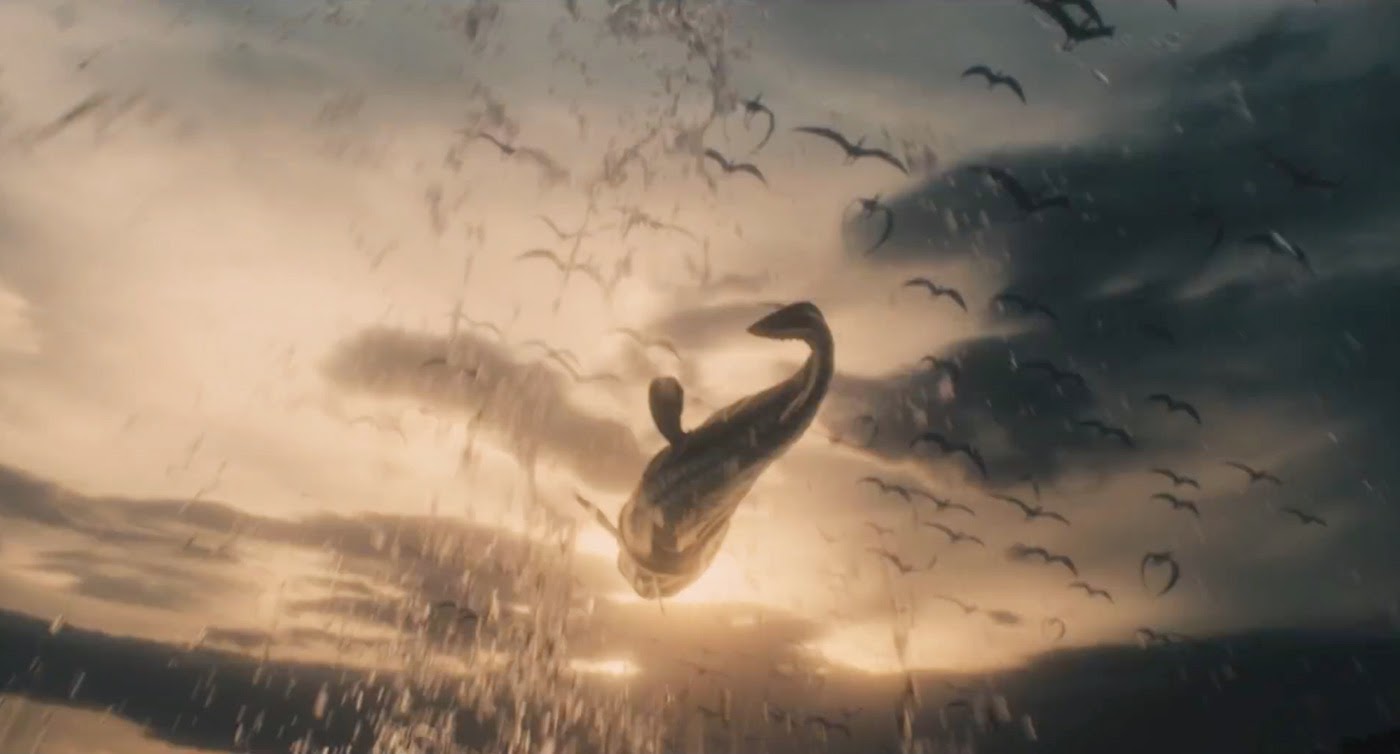
15 Reasons To Live - Filmmaker Alan Zweig has made a career out of delving deep into his own psyche. Movies like Vinyl and Lovable show him working through issues he's struggled with over the years like obsession and self-worth. When a friend of his wrote up a list of 15 reasons to live (in other words "why should I keep living?"), Zweig felt he needed to find examples for each of those reasons. He settled on a single story to represent each of the 15 list items ("Love", "Art", "Critical Mind", "Humour", "Intoxication", etc.) and in 5 minute increments builds up a wonderful portrait of all the big and little reasons why life can be so grand. Each of the characters (including himself in a couple of stories) seems to get a new lease on life as they battle obstacles, look for meaning or simply experience an amazing event. For example: a man who walks around the world, a writer who loses the ability to read, a whale rescue, etc. Zweig identifies with more than just one of these stories and he provides his own feelings throughout - most notably in the truly heartfelt final chapter on "Death". 15 Reasons To Live was easily one of my favourites of the entire festival since Zweig has found interesting stories and extraordinary people. You know he's succeeded when just about every story leaves you wanting to know more about the people and what happens to them next. You can't help but want more details and closure on their stories, but at least you know that in all likelihood they are OK now...As the central figure (a figure on the Canadian film scene) in the story on Death said before she passed away: "Everything wants to live".
Brothers Hypnotic - I was excited when I heard that Hot Docs had an entire documentary focused around the excellent Hypnotic Brass Ensemble and it made for a great final screening of the festival. You would think that a band comprised of 8 brothers on horns and a drummer might have an interesting background and you'd be right. But it's much more than just the family history (a famous jazz musician father, several different mothers and a great deal of activism) - there's also the sibling squabbling, the push to stay independent with their music releases, the joy of playing on the street, Mos Def, playing on stage with Prince, a European tour and a love of music.
Dragon Girls - Young children in China are often sent away from home for education in specific disciplines if they show promise and Dragon Girls covers the stories of three such girls enrolled at the Shaolin Tagu Kung Fu school (right next to the Shaolin Temple where Kung Fu was born). The film avoids the typical method of hopping between these three stories which somewhat hurts its pace, but it makes up for it in spades by providing an overall clear look at the impact to the childhood of these young kids. In particular, there's a heartbreaking scene of a 9 year-old realizing that her 2nd and 4th place finishes in two major competitions weren't good enough for her parents to come visit her. Stunning footage of the region and the art form is almost a just a bonus.
Blood Brother - After being a big winner at Sundance and finishing in second place for the Audience Award at Hot Docs, Blood Brother looks poised to be one of the bigger docs of the year (and a likely Oscar candidate). There's good reason too...Director Steve Hoover follows his friend Rocky back to India to attempt to discover what he saw there that has transformed him and why he has decided to shift his life permanently to that corner of the planet. What we find is a gargantuan range of emotion from pure love to absolute despair...Rocky's work in a hospice devoted to the care of women and children with AIDS is remarkable and the warmth of the kids is alone enough to make you understand his decision to stay. There's tragedy (watching a father break down while looking at pictures of his recently dead young daughter was just about too much for me to bear), but it's oddly uplifting at times.
Mistaken For Strangers - Definitely not the Rock Doc that some fans of The National may have expected, but it turns into something far more interesting (and I include myself in the fan category). Lead singer Matt Berninger lets his slacker brother (and the film's director) Tom join the band on tour under the guise of roadie. So while Tom sees himself as more documentarian than worker and mostly wants to party and hang with the group, he's also shirking his responsibilities and the differences between the two brothers becomes pronounced. Funny, fun and touching, this is highly recommended.
Alcan Highway - "It's the journey not the destination" may have never been so clearly expressed as it is in Aleksi Salmenperä's look at his friend Hese's plan to pull up stakes and live in a mobile home. The trek starts in Finland, stews in Alaska for awhile (as Hese and two Canadian friends refurbish a big ol' truck into his dream house on wheels) and then hits the road looking for the perfect place to park for good. The beast of a truck is somewhat nightmarish, but after a few months strip and rebuild, it looks like it just might do the job. Might. They hit tech issues, get into arguments and meet some pretty fine people along that highway (I'd travel to Prince George just because of the kindhearted souls the film gets acquainted with there) and by the end of the film you realize you don't really want his journey to end - that's where life is happening.
The Human Scale - A companion piece of sorts to Urbanized, this less politicized and more open look at the state and future of our world's cities is fascinating, hopeful and often quite depressing. Looking through the lens of Danish architect Jan Gehl's ideas, numerous cities are examined and discussed - where they are headed, what they should be doing differently, what they are doing right, etc. Madras comes up terribly short (growing at a rate of 1000 people a day, the city has already burst), but a city like Christchurch (after its devastating earthquake) is choosing to look a bit closer at how to rebuild with its citizens in mind. Gehl proposes a more intimate architecture and way of planning to meet the needs of our species growth. It's not only a very logical approach, it's terribly appealing.
River - A rambling and shambling road movie documenting the Ross Brothers' (filmmakers Bill IV & Turner plus their younger brother) journey down the Ohio and Mississippi rivers with their friend in the crappiest house boat you'll ever see. It's episodic, sporadic, goofy, repetitive, funny, odd, surprising and pretty much what you'd think a month-long trip from Ohio to New Orleans would be with 4 hard-drinkin' buddies. As always with the Ross Brothers, they seem to know exactly what to film and edit into the mix to give you an incredible sense of place and at just under 3 hours long, it sometimes feels like you're right along for the ride with them.
William And The Windmill - Highly subversive in its view of the First World's approach to how we help out the Third World, this is the story of a young African boy who had a bright idea, a strong will to make it happen and then has to spend the next several years living up to it. William built a windmill on his own to bring electricity to his village using a bit of research, whatever he could find and some intuition. After being invited to a TED talk to tell the story of this quite amazing feat, he gets swept up in a full bore promotional gambit to bring him to North America, raise awareness of his deed and get him to attend a U.S. university. William seems somewhat befuddled as many of these events unfold without much input from him. He seems thankful for the opportunities and appreciative of the funds going towards his home town, but also slightly confused as to why he just can't go back to his family. His "benefactor" seems to mean well early on, but as the story moves ahead, there feels like there is less and less of a concern about William and far more about the fact that "something" is being done for this poor African boy. My friend Kurt called it the angriest movie he's seen this year. He's right.
Searching For Bill - One of the more remarkable films of the festival, this somewhat anti-narrative experience begins with a search for a stolen car and slowly evolves into a search for meaning in a slowly collapsing society. We follow Bob from New Orleans up to Detroit, over to Slab City Utah (an incredibly fitting name) and then to the West Coast as he tries to follow the trail of Bill, the man who stole his car. Along the way we meet a variety of different people who are or have been down & out, but as they tell us their stories and we spend a bit of time with them away from Bill, we start to realize that perhaps this story isn't quite playing out in linear fashion nor is it all necessarily footage captured by happenstance. The overall tale it tells about the state of these people and their country, though, becomes more powerful due to the tinkering and creative editing as characters get introduced and back-stories filled in at appropriate times. Keenly observed, this small film demands a wider audience.
The Manor - Shawney Cohen works for his Dad's business and decided to make a movie about it. So why was this fairly straightforward idea chosen to open this year's Hot Docs Film Festival? Two reasons spring to mind: 1) his Dad's business is a strip club in Guelph Ontario that he has owned since Shawnee was six and 2) the film is far more than just a look at what it's like to work for Dad. Cohen's father is about to undergo surgery to reduce his tremendous girth while at the same time his mother is wasting away from what could be described as an avoidance of food. The family dynamic is tense, loving, frustrating and fascinating to behold, but don't get this mixed up with one of those pseudo-reality shows on TV. Cohen's look at his family is deeply personal (perhaps showing a few too many flaws as it gets uncomfortable at times), but never descends to a "look at us! look at us!" level. As a matter of fact, being set in a strip club is almost secondary (short of the fact that there's a direct correlation to the family's struggles since the purchase of the club). An entertaining look at a dysfunctional family.
Interior. Leather Bar. - This hour long jaunt pretends to be a recreation of the 40 "lost" minutes from William Friedkin's 1981 thriller Cruising, but is actually an exploration of the levels of discomfort even open-minded people might feel with homosexual activity. James Franco is one of the behind-the-scenes people for this recreation, but is in front of the camera while they interview candidates for the lead and supporting parts. Whether it was their initial goal or not, they end up putting their choice of lead actor through many of the same uncomfortable moments that apparently Al Pacino experienced himself while working on the film. You can tell the actor wants to be casual about the whole thing, but he can't quite contain his natural reactions to the events around him. Granted, in keeping with the premise of the film, some of those events are quite explicit.
The Unbelievers - Daniel Dennett once said that "There's nothing I like less than bad arguments for a view that I hold dear" and I was concerned going into The Unbelievers that the dynamic duo of Richard Dawkins and Lawerence Krauss (incredibly brilliant men in their fields and long-time opponents of religion-based policy) might leave me with that very same state of mind. Not that I'm smarter than they are - goodness no - but they have typically been moving towards a more confrontational style of debate and a belittling of their opponents. I'm not above all that and I certainly understand how those involved in these debates may get tired of being condescended to, but I can't help but feel that nothing good will come of that mode of argument. Fortunately the film only seriously descends to that style in the last 20 minutes or so and previous to that is at times inspiring (particularly when these scientists talk about their own fields of evolutionary biology and physics), funny and warm. We follow them as they go on tour and are privy to many off stage moments and side discussions. It's simply a pleasure to listen to intelligent people express ideas and stray thoughts - even if only about mundane matters. But the last section of the film preaches to the converted who want nothing more than to scoff at those with whom they disagree. The film won't change anyone's mind which is to be expected, but one would have hoped that it might spur some discussion and even some understanding of how the "other side" got to their beliefs. It's unfortunate it won't do that as much as it could have.
Downloaded - Though the vast majority of people I spoke to about Downloaded enjoyed it as a summary look back at the history of Napster and its rise and decline, there were two consistent criticisms: 1) it didn't really provide more information to the story than most people already knew and 2) it didn't tell its story in any kind of new fashion. And I agree completely with both points. It's completely fine as a document, but doesn't do a whole lot to engage someone who may not know the story and doesn't give back enough to someone who does.
TINY: A Story About Living Small - Have you ever read any of those home decorating articles that try to focus on how to better use your "small" living space? And then you realize that to them "small" means around 2500 square feet? Well, try under 200 square feet. The filmmakers spend a year building their own tiny house and hope to transport it to a remote piece of land to live completely off the grid. While they struggle through the build, we get to meet several other people who have decided to shrink their living quarters. Not all of them have decided to completely remove themselves from other people (many of these tiny houses exist right within typical neighbourhoods), but each person or couple has their own reason for going small. The houses alone are pretty fascinating pieces of engineering (with numerous storage space tricks), but the most interesting aspect of the film is that it challenges you to imagine yourself in these same spaces. A bit too claustrophobic for me, but there are many valid points made towards reducing your need for space and acquisitions.
Terms And Conditions May Apply - We've all clicked the "I Agree" button during a software install without reading the lengthy set of terms to which we've just agreed. And we all know that we should probably read them, but it's probably nothing overly dangerous right? In this fast moving doc (a little too fast moving sometimes - it should slow down and concentrate on several of the bigger issues), we walk through not only the challenges of privacy policies, but also the complete shift of our culture in the last 10-15 years towards a willingness to share our personal lives with the world. The doc is refreshing in that it uses numerous clips of movies & TV and screenshots of actual web sites as well as asking an abundance of good questions about privacy versus commerce, but it also fails by being overly broad in its general scope while also focusing far too much time on Facebook (you start thinking there might be a grudge against the site towards the end). Its most interesting sections are its stories and anecdotal tales of experiences on the Internet that have led to unexpected outcomes. For example, there was the man who went to Target to complain that his daughter was receiving emailed baby ads from them and that they were essentially encouraging her to get pregnant. However, her recent purchase history (pregnancy tests, etc.) showed that she was already likely pregnant and so Target essentially found out she was pregnant before her father did. In another case, a company in The Netherlands sold GPS info that people willingly provided to them for free (because they were provided with quicker routes around traffic) to authorities who then used it to give those same people speeding tickets. The film is also quite happy to call out hypocrisy: Google's Eric Schmidt once said "if you have something that you don't want anyone to know, maybe you shouldn't be doing it in the first place", but was angered when someone published a picture of his house. The film flips a bit between self-serving and curious, but it does raise some interesting points overall and keeps most of its politics in check.
Big Men - "Oil - a blessing not a curse". Well, that's the marketing pitch in Ghana anyway...But you'd be hard pressed to explain that to the people of Nigeria after years of the "big men" (the wealthy individuals who reaped rewards from the country's oil deposits) taking all their monetary gains out of the country and putting nothing back in. The opening quotes from Milton Friedman and The Treasure of The Sierra Madre ("But when the piles of Gold...") give you a good indication of the film's opinion of this selfish pursuit of money at the cost of the welfare of so many other people. Norway has a warning to other countries about this resource curse - the politicians get lazy and forget to invest the money back into the necessities. Therefore, they've decided the oil belongs to the people and any foreign companies will be taxed heavily. Of course, the U.S. Businessmen making a claim for Ghana's treasure don't feel quite the same way. The film chronicles the different viewpoints and issues while the big men keep getting bigger.
I Am Breathing - The slow deterioration of someone's life is not a pretty thing to see, so it's probably a good thing that this film's running time is a scant 73 minutes. And what more can you say? It could easily have tried to pull at your heartstrings as Neil Platt spends the last year of his life withering away in front of the camera and his young son, but instead it shows the simple brutal truth of a terrible disease and a child not quite ready to understand the death of a parent. Compelling and emotional without forcing a reaction from the audience.
The Life And Crimes Of Doris Payne - One of the most disappointing films of the fest for me. The story of Doris Payne sounds fascinating - a 60 year life of crime stealing jewels without ever using violence or fear tactics - but the film doesn't serve it well at all. Told mostly via talking head interviews and several flat recreations, it never trusts its story. In order to validate that this is indeed an interesting person and life, the film keeps coming back to an interview with a screenwriter who is turning Doris' life into a movie script. Unfortunately, the screenwriter never says anything of interest herself and leads you to believe her treatment of the story will be abysmal. As well, the film never has a minute where there isn't background music (what sounded like pretty cheap stock music to me) playing behind the interviews and story. Every moment is filled with a specific music to make sure you know how to feel. It turned me off almost completely and I eventually even came to dislike Doris by the end. In other hands this might have been a barn-burner.
Finding The Funk - This look at the history of funk music has a great set of interview subjects waxing both philosophically and rhapsodically on a topic that has needed a much deeper focus for a long time. It's just a damn shame that most of it is squandered. Though it's understood that the lack of actual music in the film is most likely due to the prohibitive cost of music rights (and when you are funded through Kickstarter, you're going to care about cost), it's a terrible disservice to the genre and those responsible for it to leave you without any fat funky riffs. Several funk tunes waft in and out in the distance (I assume that the rates for the songs are much less if the volume is kept at a low enough level?) and a few licks are played by the people live on screen, but it is nowhere near enough to give any indication at all of the power and pleasure of funk music. The talking heads of the musicians (Sly Stone, George Clinton, Bootsy Collins, old James Brown clips and a whole raft of expected and unexpected people) fill the dead air with some great background, but when you never fully hear a slapped bass, never have someone step you through samples of songs with their beats "on the one" and don't get to experience a single moment of any of those great 60s, 70s and 80s bands funking it up live, well I'm not sure I see the point...
The Auctioneer - Though this hour long NFB film feels about twice that, it really is a perfect little slice of Canadian farm life. We follow the day in and day out life of a farmer who sidelines as an auctioneer and meet several of his customers as they prep their equipment for sale. Though it may not quite be a fair portrait of life in rural Western Canada, it seems to capture the unhurried pace and community feel. But get a good night's sleep before watching it...
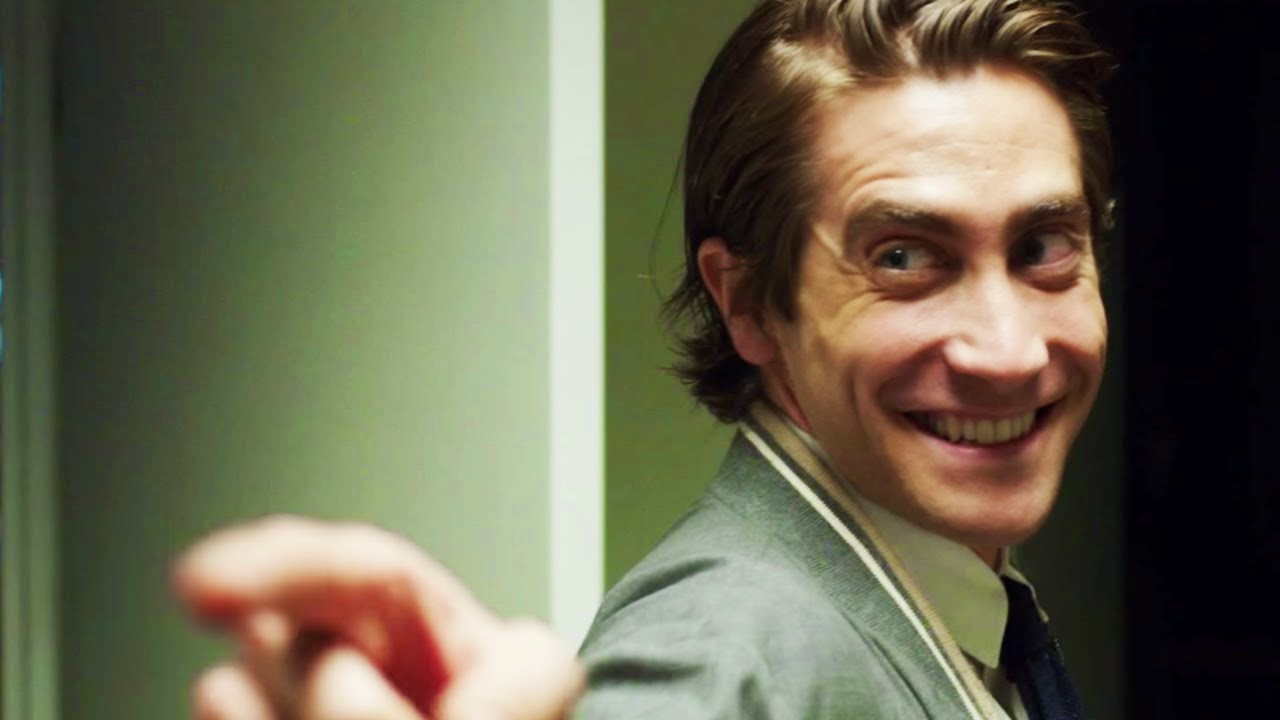
Fuck For Forest - Good intentions don't always count for much - which can be said about the characters in this film as well as the film itself. For a movie about a group of protesters who have sex on the Internet in order to raise money to save land in the rainforests of Brazil, this is one terribly dull and uninteresting 85 minutes.
Wednesday, 12 June 2013
Blindspot - "Shane" & "Gunfight At The O.K. Corral"
I called an audible this month and decided to do a couple of classics I hadn't listed in my initial Blindspot post back in January. It was simply a matter of circumstances - poor planning and being away from my normal supply of movies at the end of the month had left me scrambling. Fortunately, I was able to grab hold of a couple of Westerns I've had on the list for quite some time now (Shane and Gunfight At The O.K. Corral). Unfortunately, time started to slip away from me and I ended up being 2 weeks late with this post anyway...And though I'm just now sitting down to write and it's been awhile since I've watched them, I don't think it'll be an issue since both movies easily left impressions. One about a man trying to avoid the violence of his past and the other all about the lead up to a violent showdown.
Both make lovely use of technicolor to bring out the big blue skies of the Old West, but the earlier Shane (from '53) loses some of the grandness of the vistas around its characters by having been shot in straight academy ratio (as widescreen wasn't quite the default at this stage). However, I could see it as having been an intentional choice by director George Stevens even if it had been a decade later. The film is very much a "small" Western and focuses specifically on this localized area and its people. From the moment Shane rides up to the homestead of Joe Starrett at the outset of the film, you know that he has a history - possibly even a legendary one - but it never supersedes the immediate story of the small community of farmers (which includes Joe, his wife and son). They are all fighting to keep their little plots of land from the clutches of a cattle rancher named Ryker and his greasy sidekicks, but tensions have been escalating even more of late since he has upped his bullying tactics. He sees all these farmers as simply squatters on tiny parcels of land that prevent him from laying claim to the entire area. His plan of driving them out one by one seems like it might just work, but just Shane happens to stumble into this simmering boil while riding through. After stopping briefly to get some water from Joe, he sees Ryker and his men make their regular muscle-flexing round to Starrett's place and provides some needed backup as Joe stands up to them. After a meal in return, Joe asks Shane if he'd like to stay on with his family and get paid for working on the farm. Not really knowing what he's looking for (only what he's trying to avoid), Shane accepts. He's quickly become fond of little Joey (who sees him as a courageous gunslinger) and is a bit smitten by Joe's lovely wife Marian (played by the great Jean Arthur). As much as Shane wants to avoid his past fighting ways, though, it's obvious that further confrontations are imminent. However, the story is less about Shane's past catching up with him and more about the personal issues of trying to change your own nature.
Gunfight At The O.K. Corral's widescreen compositions are more suited to its bigger, broader scoped legendary tale (not to mention its big stars - Burt Lancaster and Kirk Douglas). The entire film is really just a build-up to the titular battle that involved Wyatt Earp, his brothers and Doc Holliday blasting away at the Clanton gang. This epic fight takes up less than a tenth of the running time, but due to the snappy pace director John Sturges applies, everything feels part of a whole (by the way, if you want see possibly the tightest film ever, check out Sturges' Bad Day At Black Rock). Earp had been trying to clamp down on the Clantons' cattle rustling ways and had wired ahead to the local town sheriff Cotton to delay them. He's unaware that Cotton is already in the bag for Clanton, so Wyatt now has to find a new source to help him track down the rustlers all over again. His best hope is to ask the troubled Doc Holliday, but that won't be easy due to some history between them and Doc's burgeoning dependence on alcohol and gambling (not to mention a wee bit of a death wish). And thus begins their back and forth dance - neither man ever easily giving an inch to the other or willing to swallow their pride, but eventually allowing a strong trust and respect to grow. Aside from one major "freak out" moment by Douglas (as he confronts "his woman" late in the movie), the two stars are quite subtle in the way they play each character as very closed off and reserved. It helps to reinforce the legends of each man as they track down some bank robbers and face a showdown in Dodge City. Once Wyatt becomes a Marshall and has his brothers on his side to stop Canton's march of his cattle, Canton decides to bring things to a head by setting up the showdown at the corral. Both Doc and Wyatt are begged by their women not to go through with it, but since we're in a classic Western, the protestations of the ladies are simply ignored.
Gunfight actually minimizes the influence of its female characters quite consistently. Not that it purposely wants to belittle women - after all, Earp's love interest is the gorgeous Laura Denbow (Rhonda Fleming) who is always the smartest player at any card table and has a reasonably full personality - but their feminine wiles and charms in the Old West just don't hold water against manly bonds, a desire for justice and personal pride. Even Mrs. Clanton herself can't hold back the rest of her boys from joining up against Earp. Doc's lady Kate suffers the most in this world - not only is she ignored most of the time by Doc and treated with contempt, but she also seems to have only two states of being: simpering victim or nasty bitch. It's possibly the movie's only flaw (at least for me) that her character is so thin while the other women in the movie - even those with much less screen time - are much richer. Shane's universe is also male-centric (with the "little woman" baking apple pies at home, etc.), but if Jean Arthur's Marian doesn't exactly seek equal footing in the decision-making processes, there's a more complex relationship afoot as she is drawn to Shane (and he to her) without ever once showing any indication she would stray from Joe. Shane himself is a bit different than your typical Western hero even though his tight closeups and big white hat certainly provide some iconic images as reference points. He's a man of his word and stands up to the bad guys, but avoids confrontation and violence if at all possible. He's a reluctant hero due to his gunslinging past and is worried that he'll have to yet again resort to it, that people will die and that he'll be moving on yet again. After all, "There's no going back from a killing".
Shane uses close-ups of its main characters extensively throughout which adds to that "small" film feel. The faces crowd the frame and sometimes make you forget about the wide open spaces around them while the action takes place in only a few tight spaces - even the big brawl in the town bar feels a bit claustrophobic. Gunfight on the other hand revels in placing characters and action in its frames - Sturges likes to place characters in opposite corners, in the foreground and background and allows them to roam around the huge tavern. And, of course, the final battle is spread across the entire corral. That's handy, though, since the film sports a helluva cast that needs some room to flex their chops. Aside from Douglas and Lancaster (and isn't that enough?), Lee Van Cleef, Jack Elam, Dennis Hopper, Earl Holliman, DeForest Kelly and Martin Milner all have sizeable roles. That's not to say that Shane is any slouch with its star power - alongside Arthur, Alan Ladd plays the almost too pretty Shane while Van Heflin takes on the role of her husband Joe and Elisha Cook Jr and Jack Palance add a great deal of colour to the additional characters (Palance is in top menacing form - he even makes a dog slink away). Both films look great in their technicolour presentations (and would look even better projected I imagine) and enjoy spending a few moments with nature - a deer roaming through the garden in Shane, a few quiet moments in amongst the trees near a stream in Gunfight. Their approach to the score is slightly different though - each definitely feels like a Western, but Gunfight takes the more heroic path using timpani, horns and clarinets while Shane goes a bit sweeter (occasionally a bit too sickly so) with a preponderance of strings, harmonica and flute. It's just as "classic" a score, but tones the picture down somewhat from a sweeping tale and again puts the focus more on the immediate story.
Overall, I easily prefer Gunfight At The O.K. Corral's ripping yarn about legendary characters in a legendary time. In the great buildup to that final fight, few words are spoken between the men - they know what's at stake and consider their actions to speak for them. Shane, while still deserving of its place in the Western pantheon, is less sprightly and the story doesn't quite keep you as fully enthralled. Though both films have main villains that aren't well drawn (mean and greedy straight through with no sign of respect or code), Shane's lack of one hurts the picture more as it tries to tackle what it means to "be a man". Through the eyes of Joey, Shane is being hero worshiped and expected to fight and shoot. Though the story is set up to allow Shane to show him another way, it essentially states that a man should behave situationally - avoid violence if possible, but meet it head on if necessary ("A gun is as good or as bad as the man using it"). The message struggles somewhat to get out because Joey is far too dense to consider it (one of the film's drawbacks is any moment the child is on screen), but it doesn't shy away from the fact that there are always consequences to your actions. So be careful - that pride'll get ya...
Monday, 13 May 2013
One Of Those Moments - "Only The Young"
It's pretty much the very last scene of the movie - a wandering documentary about two teenage boys, skateboarding, a girl and a whole lot of unknowns about everyone's future - as the high school choir rises up on the soundtrack and two best friends hug during grad ceremonies and wrestle each other to the ground. This rousing and wonderfully joyous moment showing the unrestrained glee of these two boys at simply being in each other's company, sums up nicely what those tight bonds mean at that age.
It's now available on DVD in a single set along with the most awesome Tchoupitoulas.
Saturday, 4 May 2013
"Muscle Shoals" - Hot Docs 2013
Tucked into the North-West corner of the state and hugging the Tennessee River, Muscle Shoals, Alabama is a slow-paced town of about 13000 people (if you sift it out of its Quad Cities region). But aside from its intriguing name (taken from the shallow areas of the river where mussels could be found), what makes this Southern city so interesting and worthy of an entire documentary about it? Three reasons spring to mind...
The music...That swampy, bluesy, soulful music that pushes the rhythm section up front and then drags all of the vocalist's deep seated, long buried emotions out into the open. Aretha Franklin, Percy Sledge, Wilson Pickett, Etta James, Otis Redding and The Staple Singers all cut seminal sides of music here and influenced countless others - many of whom later came to Muscle Shoals themselves (Paul Simon, Bob Dylan, Bob Seger, etc.). Duane Allman just about forced himself into the recording studio as a session guitarist and convinced Pickett to cover The Beatles "Hey Jude" - the results (a revelation to me in this film) becoming a template for The Allman Brothers. Lynyrd Skynyrd's "Sweet Home Alabama" (as tired as it has become from classic rock radio) has never sounded as fresh or alive than it did playing over the end credits of the film. It's said that the black artists from this area of Alabama used styles from country music while white musicians incorporated blues & gospel elements. The results lead directly to the Muscle Shoals sound - reason enough to encourage a melting pot of cultures - which permeates every corner of the film. The soundtrack is stupendous and sounded staggeringly great in the confines of the Bloor Theatre.
The place...The film gives you a great sense of where you are - the lush green along the river, rolling waves of tall grass, the open space and lack of tall buildings, the mud that looks like it'll never completely wash away - and feels like a separate character. When the musicians who grew up here talk about why they don't want to leave, you firmly and unreservedly believe them. For a film primarily about music and those who made it, it's quite beautiful and becomes a visual feast along with an aural one. I swear the theatre felt like there was a fresh country breeze wafting through it after the film ended. This helped to swirl up the dust and grime that had covered us while we visited the banks of the Tennessee.
The people...At least within the confines of the recording studios, there was a blindness to the colour of anyone's skin. Outside, it was more difficult to keep the white and black musicians and technicians together (if only because of segregation laws and the public's attitude towards the mixing of races), but inside the walls of the two main studios the film examines, there seemed to be little concern - the music was what mattered. Though oddly enough, Duane Allman actually found it more difficult to "blend in" at the time (late 60s) due to his hippie appearance. Fortunately, that led directly to him staying behind at lunch one day to work with Pickett. The majority of the story revolves around producer Rick Hall and his session musicians known as The Swampers (if that suddenly makes you think of the lyrics to "Sweet Home Alabama", well, there's a pretty good reason) - all of them white and all of them renowned for their ability to get right down into the heart of soul music. Hall has the most tortured story (losing his wife in a car accident and making several bad business decisions) and though his stubborn ways have dealt him several blows along the way, he's still got the chops behind the boards and can still push the singers to their best performances (he's famous for purposely antagonizing Etta James - dude had guts). The Swampers had left him and his studio (where they were essentially the house band) to form their own studio down the road a patch and had many successful years in the 70s and 80s helping to record mainstream, blues and soul artists. They too had a few major opportunities slip by them: The Rolling Stones recorded several tunes for Sticky Fingers there (including "Brown Sugar") and had fully intended to come back for Exile On Main Street, but Keith Richards wasn't allowed back in the country; Lynyrd Skynyrd had recorded "Freebird" with them, but when The Swampers refused to edit it down to a 3 minute 45 second single, the record company pulled the band away. They did get to tour with Traffic though (an odd mix at first thought, but not after looking a bit closer) and are talked about with reverence during the film by Richards, Mick Jagger, Bono, Gregg Allman and a bevy of others.
All three of these reasons explain why the town of Muscle Shoals is so fascinating. And the film showing all three of these elements is easily one of my very favourite cinema going experiences so far this year.
Thursday, 2 May 2013
"Caucus" - Hot Docs 2013
I'll be honest, I had scratched AJ Schnack's latest film Caucus off my list of potential "to-see" films shortly after I browsed through the Hot Docs 2013 schedule the first time. The promise of being a behind the scenes look at the Republican candidates during the 2011-12 Iowa Caucus filled me with a bit of dread. I have no love for any of the eight politicians the film tracks (and a healthy dose of disgust for some of them) and didn't particularly relish the thought of re-living the head-slapping moments that played out nightly on the news and The Daily Show. To be clear, that disdain isn't reserved completely for the right-wing (I have no need to revisit any of the electioneering of the Democrats either), but since the focus of the film was strictly on the first step towards nominating Obama's rival, I had very little interest.
Of course, I'm glad I reconsidered. The verite style of the film (ie. no narration, just footage that should "speak for itself") was a big reason, but Schnack himself as director was probably the biggest. He lobbied several years ago not just for higher quality cinematography in documentary feature filmmaking (which as far as I can tell has helped bring a more careful eye and strong aesthetic to the realm of docs), but a call to an overall broader view of the form. That alone gives him my attention. And if there's one theme that is becoming evident at this year's fest (due to its presence and absence in many of the films I've seen) it's the need to understand the position of those who differ strongly in ideology from you. I didn't expect to learn a great deal more about the political positions (ones which I typically disagree with - in particular the ones based on social issues) of these candidates, but hoped to garner some insight into the voter perceptions of what's "wrong" with their country.
This is where the film excels...Though it can be entertaining to watch the candidates work through a variety of awkward moments (Bachmann pimping her tent's petting zoo, Romney warning Big Bird to beware of commercials, Ron Paul struggling to close his van door) and even charming ones (Cain belting out a tune, Perry being distracted by basketball talk), hearing things straight from the populace has far greater meaning. Granted, the clips of Iowans commenting on speeches at the state fair and participating in the voting can occasionally be cringe inducing and frustrating - there are occasional thunderous bursts of ignorance wrapped in a lack of context and lack of awareness of the reality of life in 2012 (again, I expect there are numerous people on the "other" side that are equally clueless) - but there are also moments of very truthful and heartfelt concern. Particularly one from an elderly man, who at first seems like yet another "it's them dang furrenors!" crank, but ends with tears in his eyes that show a deeply held belief (though a spectacularly flawed one). One has to wonder how he came to hold these ideas and that's at least a start towards trying to understand. It's also around this time that the film starts to show a different side of one of the candidates...Only one of them was there to listen to this man, and only one of them actively tried to engage him in discussion while attempting to explain the complexity of the situation...And that was Rick Santorum.
The most incredible feat accomplished by Caucus is that it ended up making me root for a man whose ideology I find odious. I never want Rick Santorum to hold any kind of public office, but by the end of the movie you've at least gained, if not respect for him, at least a bit of respect for his methodology. He truly believes everything he says, shows real emotion, dives right into pressing the flesh with as many people as possible and gives just as much effort at answering a question from any random citizen as he does from reporters or moderators of debates. He visited every single one of the state's 99 counties by car with a small team and slowly, but surely, built good will. Granted, I probably wouldn't be on his side if I didn't know that his ultimate goal was out of reach, but support for him from the audience grew similarly to that of Iowans - and we were just as surprised with the end results.
What pleased me a great deal is that the film doesn't purposely look to put anyone in a bad position, but instead tries to show them as honestly as possible, record the events around them and garner spontaneous reactions. The lenses of the cameramen (including for a portion of the shoot, the great Ross Brothers - directors of Tchoupitoulas and 45365) have a sharp eye for small details, people's faces and markers of Iowa's landscape and culture. One of the finer examples of the strange inner workings of American democracy.
Subscribe to:
Posts (Atom)